
Oberland Mangold · Environmental & Energy Technology
Nanolyzer – Alkaline electrolysis
Advanced electrolysis technology for green hydrogen production
Thanks to our innovative strength Oberland Mangold offers efficient solutions for the production of green hydrogen. As an environmental and energy technology company, power-to-X concepts and hydrogen technologies play a strategic key role. Our focus is on alkaline electrolysis, a proven technology with great potential for optimisation. Our next-generation electrode units increase current densities while reducing energy losses, which significantly improves the efficiency of hydrogen production.
Our electrode units consist of highly developed coatings for anode and cathode which are combined with flow-optimised bipolar plates to form a particularly efficient unit.
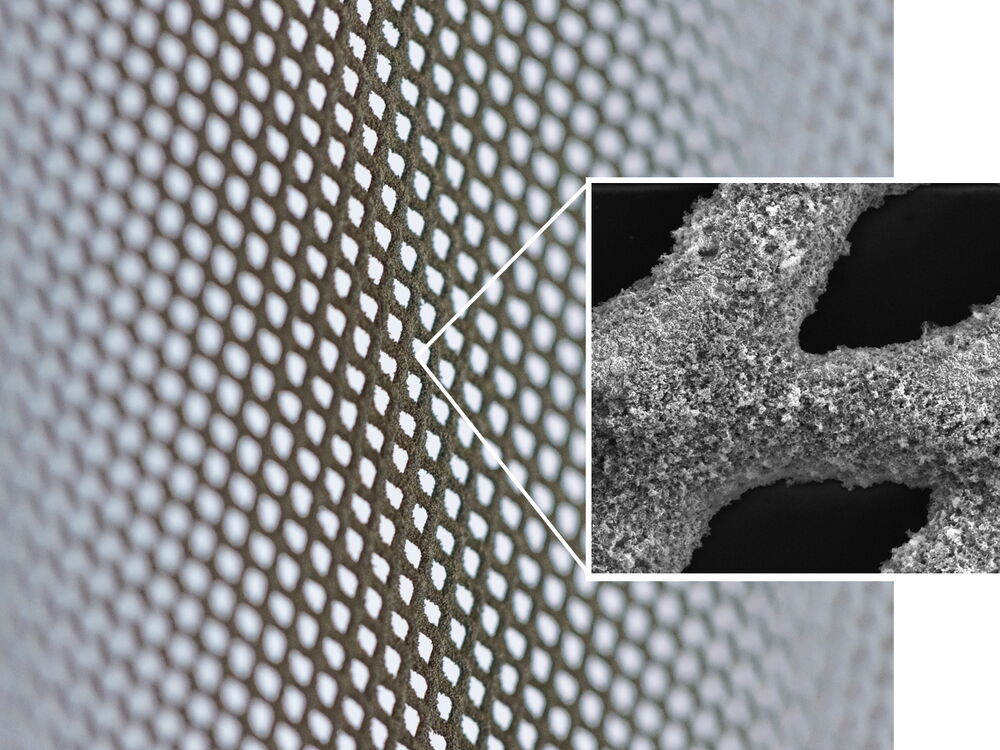
The electrolysis technology from Oberland Mangold offers numerous advantages
- Low CAPEX
- Current densities: > 1.2 kA/m²
- Low OPEX
- Simple stack assembly
- Long-term stability
- Zero-gap design
Coatings for alkaline electrolysis
Efficiency is crucial in electrolysis technology. Oberland Mangold sets new standards with highly developed catalyst systems for anode and cathode. Our coatings for the oxygen evolution reaction (OER) and hydrogen evolution reaction (HER) maximise conductivity and minimise overpotential, which significantly increases efficiency.
Bipolar plates
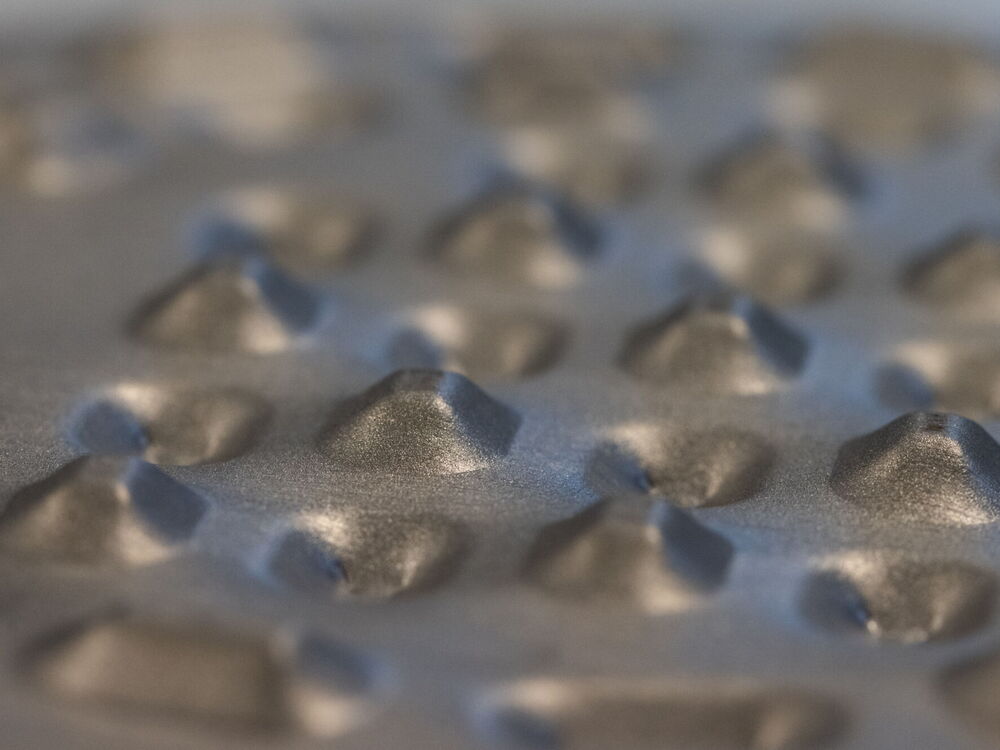
Our flow-optimised bipolar plates, based on our many years of expertise in catalyst structures, significantly increase the efficiency of electrolysis stacks. Available in various sizes and geometries, they contribute significantly to improved performance.
Alkaline electrode units
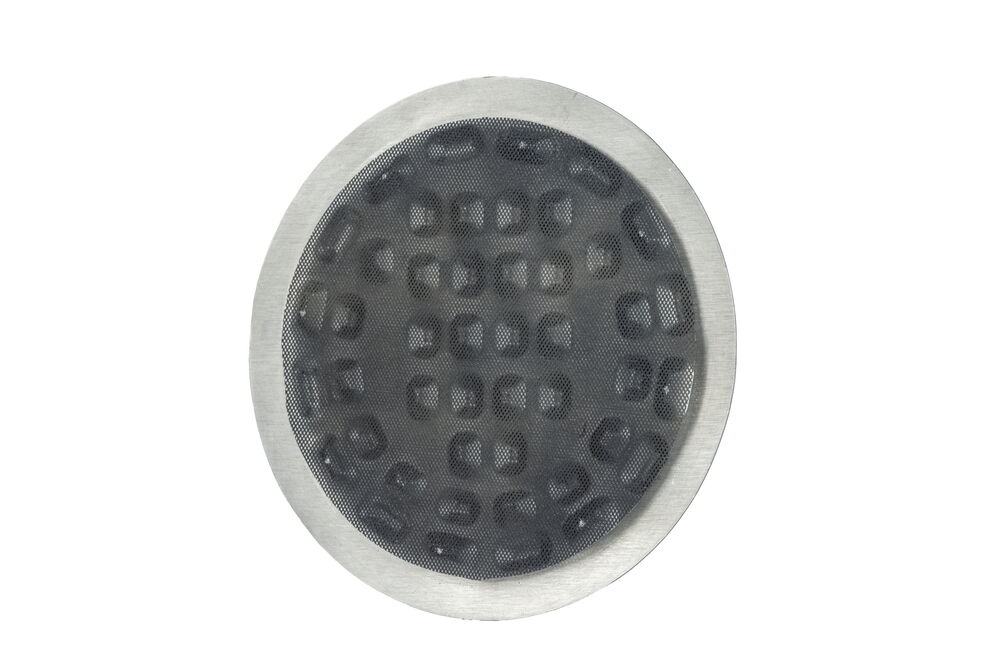
Oberland Mangold offers tailor-made electrode packages that act as the heart of every electrolyser. By combining flow-optimised bipolar plates with low-overpotential cathode and anode coatings we optimise the overall efficiency of electrolysis systems. Our goal is to reduce the production costs of hydrogen by integrating several components in one package and by realising the zero-gap configuration even for large cell diameters.